Most of what is written about remodeling in Cary is about tile and layout. Almost none of it is about the logistics that decide whether the project irritates your neighbors — and in a town where many neighborhoods have an HOA, that is the part homeowners most often discover late.
Does a Cary HOA Have to Approve a Bathroom Remodel?
Almost never for the bathroom itself. HOA covenants govern what is visible from outside the house, and a bathroom is not.
What they frequently do govern is everything the project brings with it: where a dumpster or debris trailer can sit and for how long, where contractor vehicles park, what hours work may run, and any change that becomes visible from the street — including a new exterior vent penetration for a bathroom fan.
That last one catches people. The remodel is interior; the vent is not. If the bathroom currently vents into the attic — common in houses of a certain age — bringing it to the exterior is the correct fix, and it puts a small hood on a wall or roof plane that some covenants treat as an architectural change.
What Should You Check Before Work Starts?
Read the covenants for four things:
- Work hours. Covenants often set a start time, and it is often later on weekends than a crew would otherwise begin.
- Dumpster or debris container placement and duration. Some prohibit street placement entirely; some cap the number of days.
- Contractor parking. Street parking rules, and whether a vehicle can stay overnight.
- Exterior changes, including vents, which is the only part of a bathroom remodel likely to trigger a review.
If a review is required, it has its own calendar. That is a planning-stage item, not a start-date item.
Where Does the Debris Actually Go?
That depends on the scope, and it is worth asking any contractor directly.
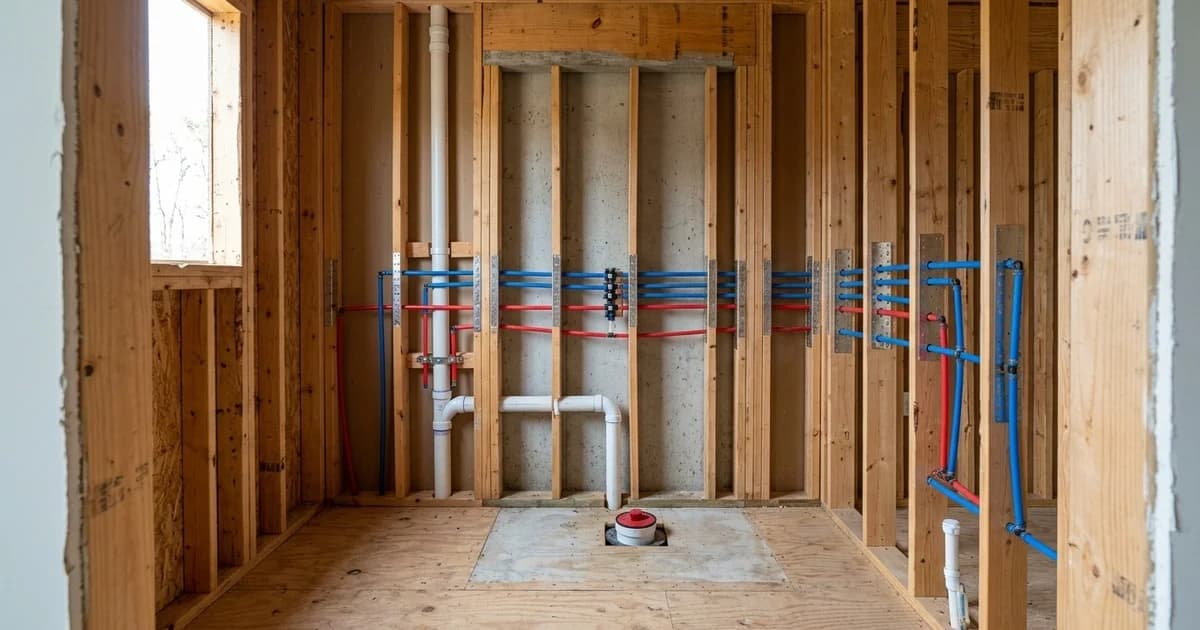
A full bathroom tear-out generates more volume than homeowners expect — old tile, substrate, a tub or shower base, a vanity, and the packaging that new materials arrive in. On our projects, demolition and disposal are named in the written itemized scope, so what leaves the property and how is not a question that arrives on the first morning.
What Does a Contained Job Site Look Like?
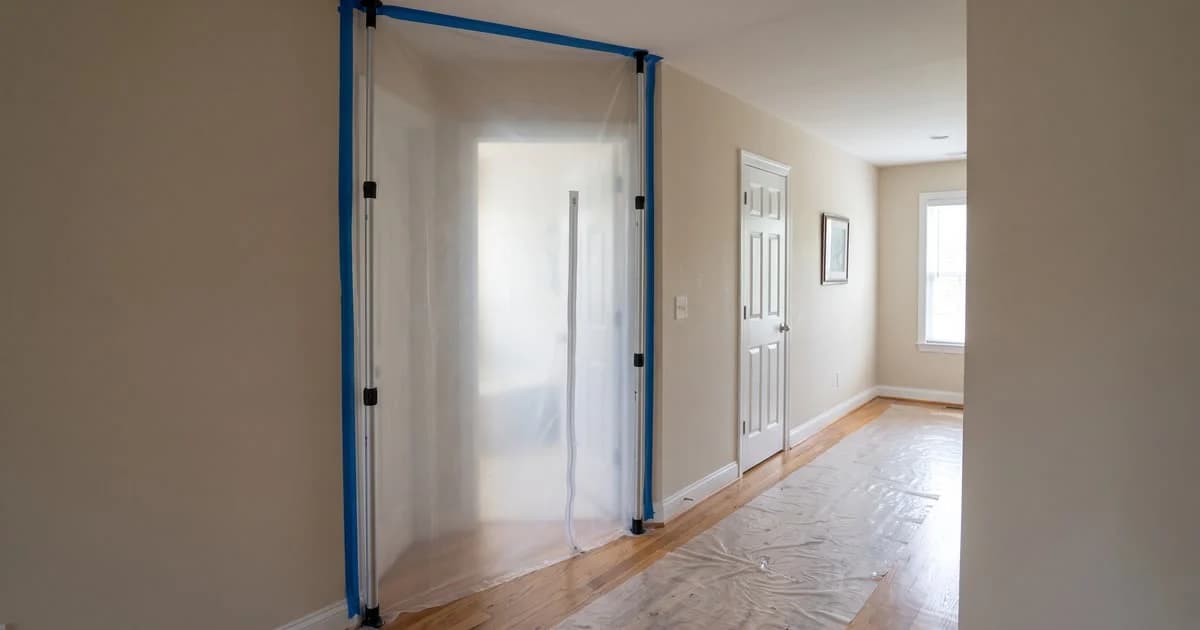
Dust barriers up before demolition starts, and the work area cleaned at the end of every working day — tools away, surfaces cleared, dust control checked rather than assumed.
This matters more in a bathroom than almost anywhere else in a house, because bathrooms sit inside the living space rather than at the edge of it. A kitchen remodel takes the kitchen; a hall bathroom remodel takes a corridor through the middle of the house, and everything moving in and out of the room passes through it.
Which Cary Houses Need the Most Logistics Planning?
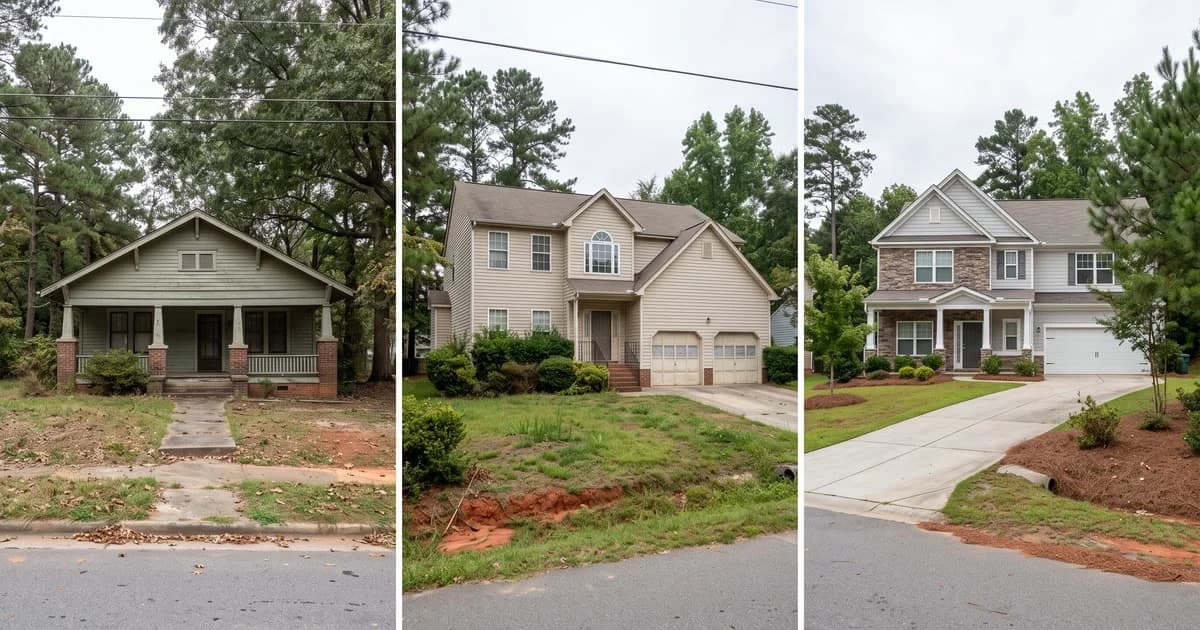
Townhouses and the tighter-lot neighborhoods, where there is simply less room. A shared driveway, a narrow street, or a garage that the crew's vehicle blocks changes the plan more than it changes the price. It is worth walking the access route at the site visit rather than assuming it.
Does Any of This Affect the Permit?
No — the permit and the HOA are separate systems that do not talk to each other. For an address inside town limits the permit comes from the Town of Cary, based on the work; the HOA governs the community's rules. Satisfying one says nothing about the other.
Most bathroom work involving plumbing or electrical changes needs a permit, and a tub-to-shower conversion usually does, because it changes the plumbing design. We handle permit coordination on every qualifying project, with the rough-in and final inspections scheduled around the build. The breakdown of what triggers which permit is in the Wake County and Durham permit guide.
What Should Be Settled Before the Start Date?
A short list, all of it cheap to do early and expensive to do late:
- HOA covenants read, and any exterior review submitted
- Debris container placement agreed, and its position confirmed against the covenants
- Access route and parking walked at the site visit
- Work hours confirmed against both the covenant and your own household
- A temporary bathroom arrangement decided if the project takes the only full bath
What Happens to the Rest of the House While the Bathroom Is Out?
It gets planned, or it gets improvised — and improvised is how an inconvenience becomes an argument.
If the project takes the only full bathroom, a temporary arrangement is a real planning item rather than an afterthought. Where the house has a second bathroom, this is straightforward. Where they do not, it is worth raising at the site visit so the sequence can be built around it — some phases take the room out entirely and some do not.
The corridor matters as much as the room. A hall bathroom sits in the middle of the house, so every material going in and every piece of debris coming out passes through living space. Dust barriers go up before demolition rather than after the first day's mess, and the work area is cleaned at the end of every working day — tools away, surfaces cleared, dust control checked rather than assumed.
What Should the Written Scope Say About Logistics?
Enough that none of it is a conversation on the first morning.
Demolition and disposal named, so what leaves the property and how is settled. The access route agreed, walked at the site visit rather than assumed from the driveway. Work hours confirmed against the covenant and against your household, which are often different constraints. And where a debris container sits, for how long, and whether that placement is permitted where you live.
None of this changes what the bathroom looks like. All of it changes what the weeks of work feel like, and it is the part of a remodel homeowners describe most vividly afterwards — in either direction.
FAQ
Can an HOA stop me from remodeling my own bathroom? Not the interior work. It can govern the logistics around it and any change that becomes visible outside the house.
Does a bathroom exhaust fan vent count as an exterior change? It can, if it puts a new hood on a wall or roof plane. Worth checking the covenant before the work is scheduled rather than after.
How long does a debris container usually need to be on site? That depends on scope and is set in the written schedule. What matters for the covenant is whether there is a cap, which is why it is read at planning time.
Do I need to tell my HOA at all if the work is entirely interior? Many covenants ask for notification even where approval is not required. Reading the document settles it in minutes.
Can the crew work weekends to finish sooner? Only where the covenant allows it, and the allowed start time is usually later than on weekdays.
Every project carries a 1-year workmanship warranty, and the written itemized estimate follows the site visit. For what we build in the town, see bathroom remodeling in Cary, the bathroom remodeling service, or request a written estimate.